Real Estate & Construction Industry Challenges
Real estate and construction businesses face various operational, financial, and safety barriers:
- Cost-Effectiveness & Space Planning: Managing overheads, unoptimized office footprint, and inefficient asset evaluation.
- Sustainable Energy Consumption & Environmental Impact: Meeting sustainability targets and reducing power waste.
- Construction Site & Labor Safety: High risk of workplace injuries, equipment collisions, and unmonitored harness use.
- Remote Engagement & Property Management: Sales limitations of physical demonstrations and complex facility maintenance of decentralized infrastructure.
Digital transformation enables businesses to address challenges through smarter processes, connected systems, and data-driven administration.
Energy & Space Optimization
Digital twins and VR reduce on-premises energy consumption and space requirements. CV foot-traffic analytics adjust environmental parameters to cut expenses.
Construction Site Safety
Edge AI microcontrollers, wearable smart bracelets, UWB collision detection, and IoT sensors automatically track compliance with protective gear and supervise on-site danger zones.
Immersive Remote Sales & Facility Management
Interactive BIM models, AR, and Metaverse environments enable clients to tour properties visually, customize interior designs remotely, and perform facility maintenance.
Geospatial AI Evaluation
reXplore AI agent leverages geospatial intelligence to score properties based on infrastructure, accessibility, and environmental metrics, and to provide data-driven price predictions.
Rising energy costs, sustainability targets, and growing demand for efficient housing are accelerating the development and adoption of sustainable homes. Smart Meters + IoT Sensors + Data Visualization = Sustainable Buildings for the Planet, People, and Profit. Modern technologies create better living and working areas while improving well-being, security, and connectivity.
AI, VR/AR, and IoT Use Cases in Real Estate & Construction
To support fieldwork at remote construction sites without internet access, Softengi builds offline-capable applications. Field engineers can interact with full 3D BIM models, inspect embedded power grids or equipment, log structural tickets, and use built-in pathfinding tools while completely offline, automatically syncing all changes back to the cloud when connected. Heavy 3D model processing is supported by hybrid AWS pipelines using S3, EC2, and Lambda for cloud rendering.
Companies can establish persistent virtual offices and showrooms on platforms like VRChat, Meta Horizon, or WebGL. Contractors can bring remote investors, architects, and buyers into shared 3D environments to host virtual presale events and conduct live telepresence sessions.
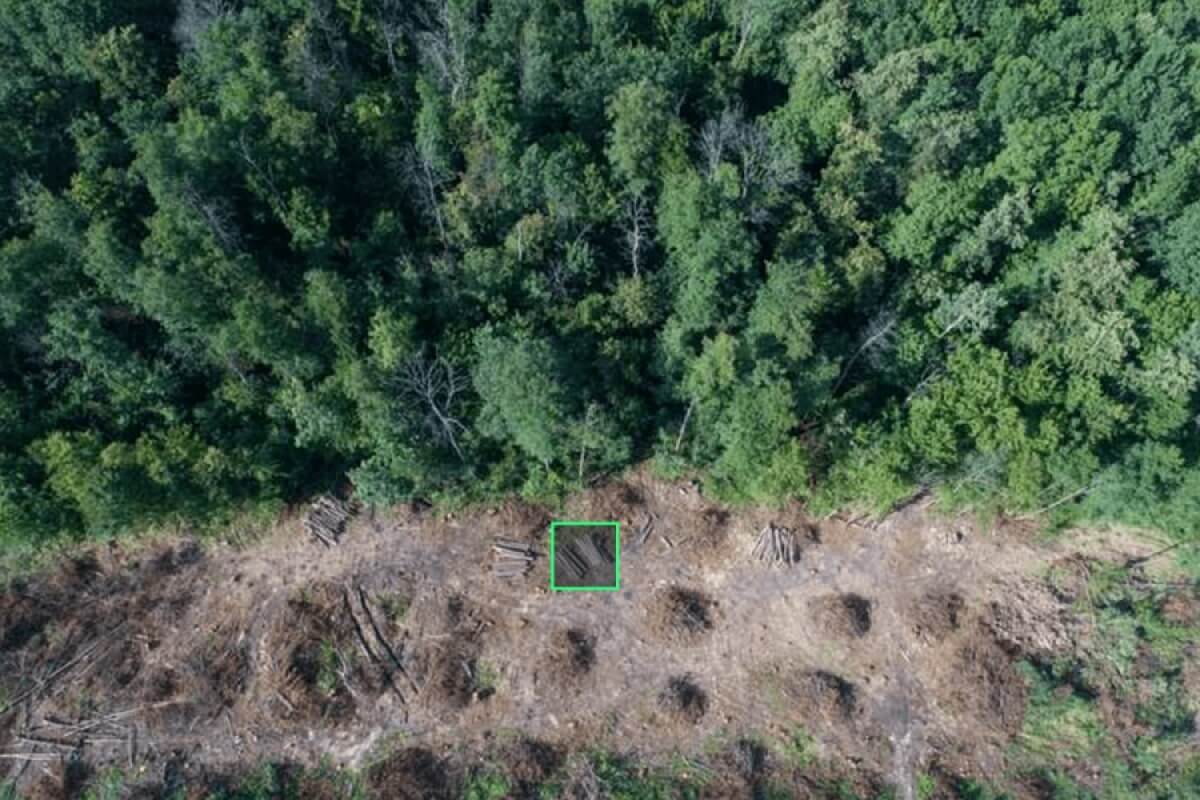
Expanding digital twins to large-scale land development projects, Softengi utilizes Unity's 3D engine to model expansive terrains and utility sites. By combining spatial models with aerial drone footage, construction developers can optimize the placement of solar panels and infrastructure, analyze large land areas, and train AI to verify construction-site completion stages autonomously.
Investors and engineering consultancies can deploy a specialized AI agent called salesXplore to automate the analysis of extensive construction RFPs, build technical requirement catalogs, detect gaps between project specifications and proposals, and optimize pricing based on AI-driven win probability predictions.