How We Address Key Challenges in Transportation & Logistics
Traditional logistical methods are giving way to smart, AI-driven solutions that enhance resilience against global disruptions, border bottlenecks, and supply chain constraints. Today, high-quality transportation and logistics management is fundamental to enterprise growth.
Satellite Signal Loss and Security Risks in Cargo Escorting
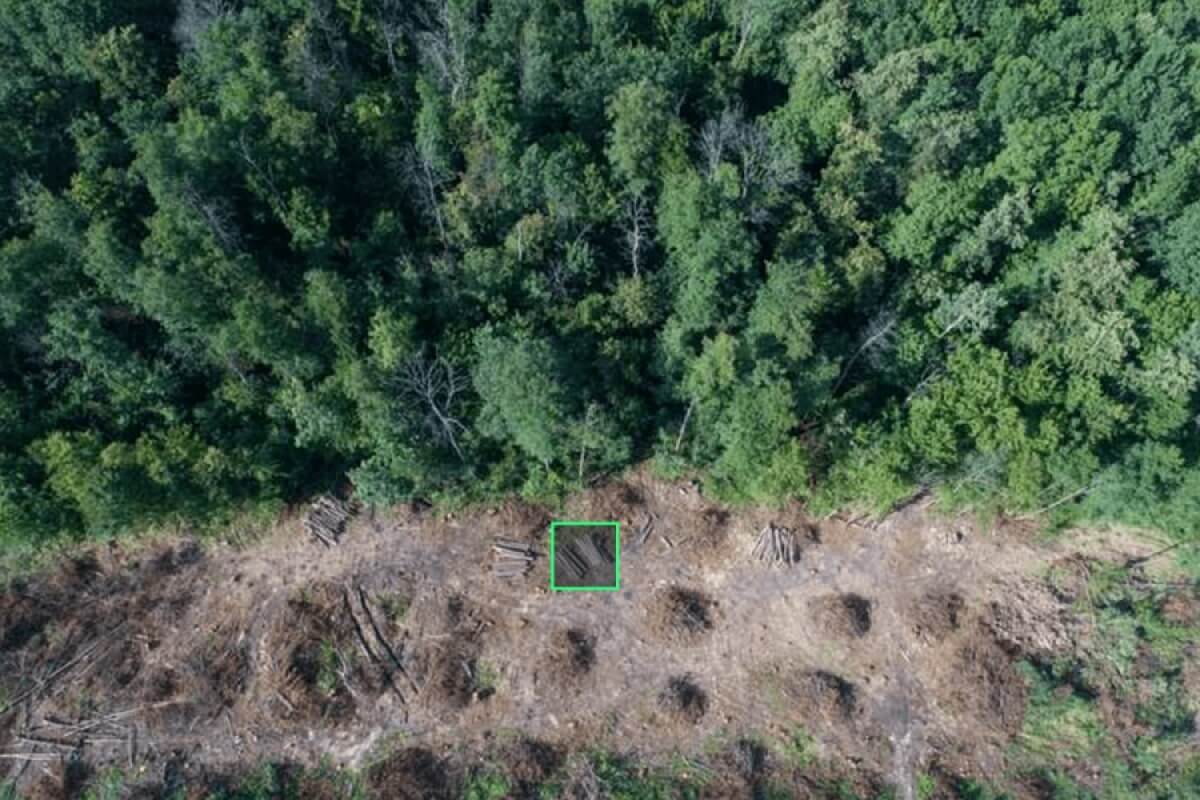
Unmanned aerial vehicles (UAVs), ground robotics, and autonomous logistics operating in remote or obstructed environments face signal loss, collision hazards, and security vulnerabilities when escorting cargo. We equip drones with onboard satellite-independent navigation. Using visual odometry, optical flow, and semantic segmentation, these edge-processed systems enable GPS-denied course plotting, real-time hazard detection, safe-distance calculation, and nonstop automated tracking.
High Training Costs and Accident Risks in Ground Operations
Transport upgrades and on-premises infrastructure changes require ongoing staff requalification, leading to high training costs, increased accident risks, and delays in security screening. Our company builds cross-platform applications to enforce movement rules safely and to educate machinery operators through interactive models, preventing collisions and enabling flexible self-study.
Cumbersome Bidding and Documentation Workflows
Manual processing of complex logistical RFPs, bids, and vehicle purchase documentation creates bottlenecks, high management costs, and vulnerability to human error. Softengi develops document analyzers and AI agents, such as salesXplore. They automate the extraction of RFP requirements, evaluate proposal compliance, model pricing strategies, and detect irregularities in purchase documents.
Lack of Real-Time Visibility and Transparency
Conventional industry frameworks suffer from limited visibility into moving transport, manual controls, traffic congestion, and unmonitored cargo seal integrity. Softengi deploys automated computer vision inspection systems powered by IoT for real-time vehicle counting and classification (cars, trucks, forklifts), traffic surveillance (detecting speeding, wrong-way driving, or unauthorized stops), automated gate functioning with license-plate verification, cargo loading/seal integrity tracking, and internal road surface defect assessment.
What Smart Logistics Technologies Does Softengi Provide?
Logistics enterprises oversee massive information flows involving carriers, vendors, and subcontractors. Softengi embeds intelligent AI layers into enterprise systems to provide automated solutions that regulate daily activities. The full scope of Softengi's solutions extends far beyond basic process automation to deliver predictive analytics and system intelligence:
- Procurement & Sales: AI agents parse complex RFPs, evaluate compliance with requirements, assess win probabilities, and model pricing strategies, reducing time spent on RFP analysis and proposal drafting.
- HR: Virtual HR assistants process staff inquiries and handle onboarding automatically. Voice-activated AI checklists guide the execution of structured procedures and ensure regulatory compliance.
- Warehousing & Storage: High-resolution camera scanning systems automatically count and classify inventory items by color, shape, and weight. Mobile AI audit applications evaluate warehouse layouts and storage conditions.
- Storage & Delivery: Automated computer vision monitors transport facilities in real time, executing vehicle counting and classification, traffic anomaly detection (speeding or wrong-way driving), license-plate gate automation, cargo seal integrity tracking, and internal road defect assessment.
- Risk Analysis & Site Safety: Smart Site Safety (4S) IoT networks leverage UWB/ultrasonic collision detection, smart bracelets, and risk-zone beacons to prevent site accidents. AI document analyzers evaluate EV purchase records to identify inconsistencies and streamline the resolution process.
Softengi’s solutions process data in real time, improve on-site and cargo security, reduce running costs, and scale end-to-end service quality.