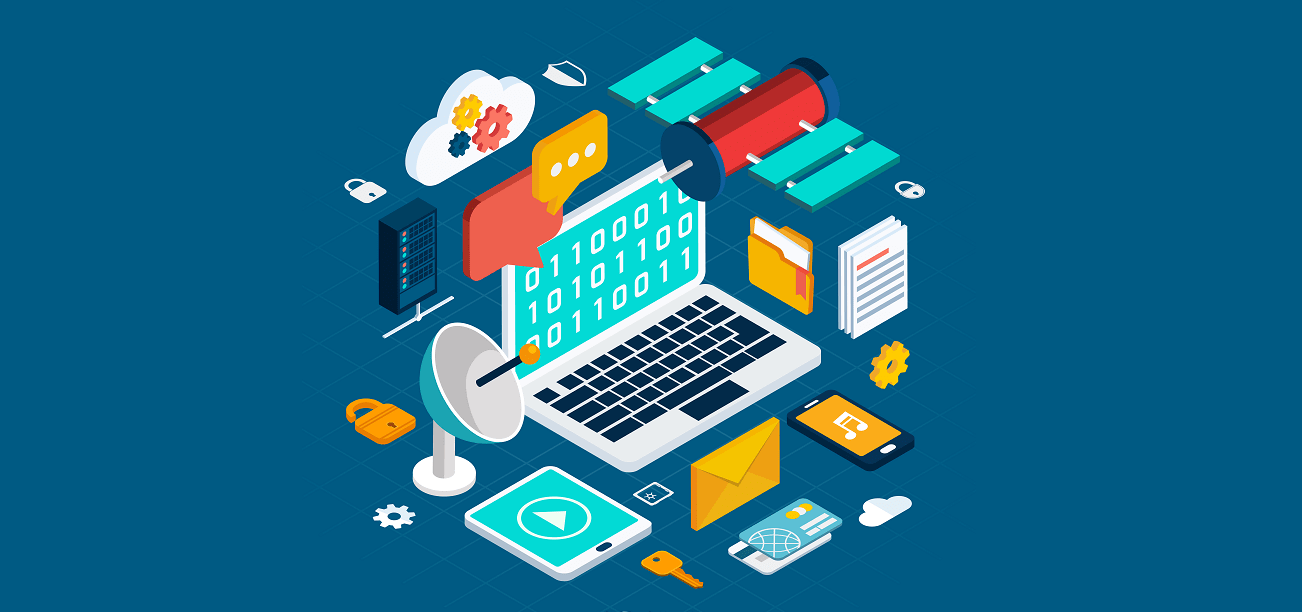
Just like many other significant industries telecommunications are also mastering digitization processes. Digitalization for this industry is an inevitable part of the journey towards the future. Moreover, the industry itself is one of the flagmen of digitalization among others. That is why it is important to find new ways of new models for further telecommunications industry development.
Consumer lives are now undergoing changes. As the way humans communicate, behave, standards, channels, and protocols are changing and undergoing a digital transformation. To embrace it, one of the most important steps that the industry is taking is switching towards cloud computing, cloud data storage, mobile communications. Also, telecommunication businesses and organizations are using more software instead of hardware. For the industry overall it means more flexibility, for the customers it means an improved customer journey and user experience.
Role of Telecommunications in CX
As for the customer experience, it is one of the most decisive forces that will drive the telecommunication industry, according to the World Economic Forum. The reason for that is that people nowadays are searching for the best memorable experiences and they will more likely stick to the best experience that they have had. Therefore, meeting and covering the needs of customers and clients is crucial. Being able to meet those experiences will define the success of digitalization and the purpose of operating on the market. It goes along with delivering value to the users of telecommunication services. It also delivers value to industry and society as a whole.
When it comes to society, modern telecommunications is to serve the climate change reduction needs, reduction of Co2 emissions, as part of the transformation. This is to be achieved through digitalization, interconnectivity, and services provided by IoT resulting in the reduced need for equipment maintenance or operations field visits, people physically visiting the premises, shops to receive the services, etc.
Other significant parts of digital transformation are IoT, big data, and the application of omnichannel communications. All these technologies or their combination allows integrate possibilities of new developments, improve visibility, enhance business perspectives.
In addition to that, tools such as chatbots, virtual assistants, web chatting, social media are aimed at improving communications and taking them to the next level, making them smart, integrated. They are serving the purpose of widening the opportunities. They incredibly increase the volumes and speed of communication. At the same time, they make it efficient and deliver agility to the industry.